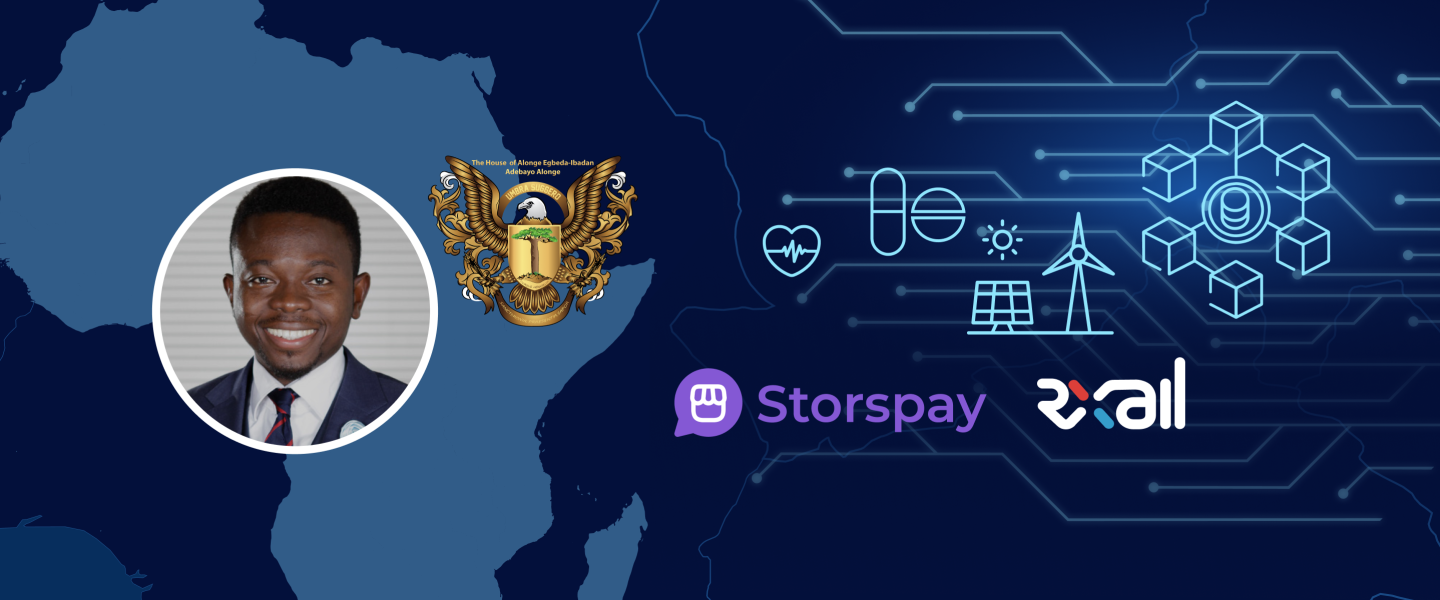
The World Bank warns that the AI revolution could exacerbate inequalities between rich and poor countries, as poorer nations struggle to benefit from AI advancements. Adebayo Alonge emphasizes the need for "small AI," tailored to local contexts, advocating for precision in development and funding to adequately support impactful applications that save lives.
Category: AI
The Billionaires Are Automating Your Job. They Should Pay for It.
A seventeen-year-old recognizes that traditional college paths are impractical in the AI-driven job market, advocating for trades instead. The automation era threatens numerous white-collar jobs, sparking calls for policies like taxing automated labor and funding universal income. The article emphasizes the need for proactive societal adjustments to avoid economic disparity.
Work addicts, what will you do when AI automates most of your work?
For those with a work addiction.When AI has fully automated most of what you do — what will you do?No more excuses to miss bedtime with your kids because you are "busy."No more excuses to skip your partner's dinner because you are "swamped."No more late-night emails to make you feel important.No more Slack pings to … Continue reading Work addicts, what will you do when AI automates most of your work?
Sovereign AI Is Not a White Paper. It Is an Infrastructure Decision.
Lee Kuan Yew built Singapore's strategy not by copying the West, but by understanding Singapore's constraints. Every government in the world wants an AI strategy. The UK just launched a £500 million Sovereign AI Fund. India committed $1.2 billion to its National AI Mission. Saudi Arabia, the UAE, and France are spending billions more. By … Continue reading Sovereign AI Is Not a White Paper. It Is an Infrastructure Decision.
The AI Arms Race and Why Small Nations Need a Seat at the Table
The content emphasizes the urgent need for small nations to build robust data infrastructure and capacity before asserting data sovereignty in the fast-paced AI arms race. It advocates for a strategic approach where nations first focus on foundational elements like data centers and skilled talent, rather than simply demanding sovereignty without the means to enforce it.
The Convergence — How AI and Clean Energy Are Building the Same Future
Bitcoin mining companies are shifting focus to artificial intelligence, anticipating a surge in revenue from AI workloads. With over $70 billion in AI contracts emerging, the need for energy is critical. This convergence of AI and clean energy presents opportunities across sectors, driving both innovation and sustainability in infrastructure.
The $4M Experiment — Zero Defaults, 12% APY, and What Traditional Finance Gets Wrong
Hernando de Soto argues that the global credit system fails to serve the vast majority of entrepreneurs due to outdated risk measurement models. StorsApp addresses this by utilizing alternative data for credit assessments, achieving a zero default rate. The company has pivoted to focus on cross-border payments and trade finance, facilitating access to international markets for small businesses in developing regions.
RxAll Group — Why I Build in Parallel, Not in Sequence
The author challenges the notion that speed and distance are opposites, advocating for a unified approach to tackling systemic issues like counterfeit drugs, financial exclusion, and energy poverty. By sharing resources across ventures, the author demonstrates how diverse projects can coexist under a single trust architecture, leading to significant impact and financial success.
From Single Product to Pharmacy Workflow AI Automation Infrastructure — How Listening to 100 Users Changed Everything
In 2016, Adebayo Alonge founded RxAll, initially developing an AI-powered spectrometer to combat counterfeit medications. Despite early struggles, a pivot during COVID-19 turned RxAll into a comprehensive pharmacy workflow platform, enhancing success and profitability. By addressing pharmacies' operational needs, adoption surged from 5% to 92%, solidifying their market presence.
Trust Is Infrastructure — Why the Most Important System You Can Build Is Credibility
Trust is a system that can be structured for effectiveness, yet institutions are struggling with public skepticism. Compliance-driven approaches fail to address underlying trust issues. Successful solutions redesign systems for transparency and verification, improving adoption and building credibility. The future favors those who establish robust trust architectures over mere reputational marketing.