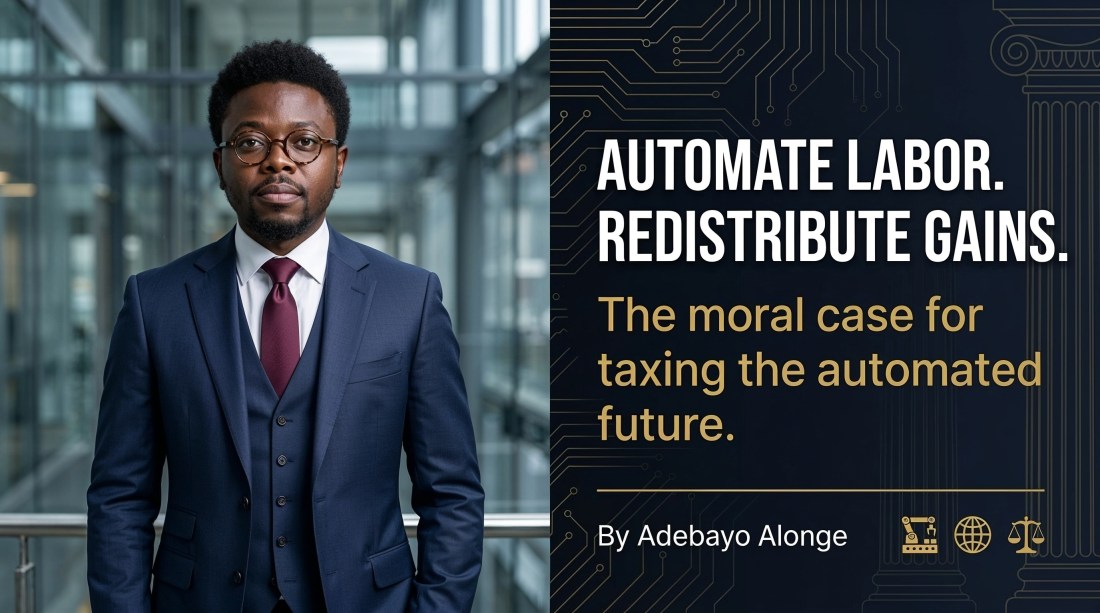
The Billionaires Are Automating Your Job. They Should Pay for It.


A seventeen-year-old recognizes that traditional college paths are impractical in the AI-driven job market, advocating for trades instead. The automation era threatens numerous white-collar jobs, sparking calls for policies like taxing automated labor and funding universal income. The article emphasizes the need for proactive societal adjustments to avoid economic disparity.

Sovereign AI Is Not a White Paper. It Is an Infrastructure Decision.


Lee Kuan Yew built Singapore's strategy not by copying the West, but by understanding Singapore's constraints. Every government in the world wants an AI strategy. The UK just launched a £500 million Sovereign AI Fund. India committed $1.2 billion to its National AI Mission. Saudi Arabia, the UAE, and France are spending billions more. By … Continue reading Sovereign AI Is Not a White Paper. It Is an Infrastructure Decision.

When 95% of Entrepreneurs Cannot Access Capital, You Do Not Have an Economy — You Have a Lottery


Poverty is the worst form of violence." — Mahatma Gandhi In May 2026, a mathematics teacher named Michael Oyedokun was murdered in rural Nigeria. He was pulled from a school. He taught algebra and geometry — the precise disciplines that nations like China and India elevated to strategic national priority, building export-driven economies that lifted … Continue reading When 95% of Entrepreneurs Cannot Access Capital, You Do Not Have an Economy — You Have a Lottery

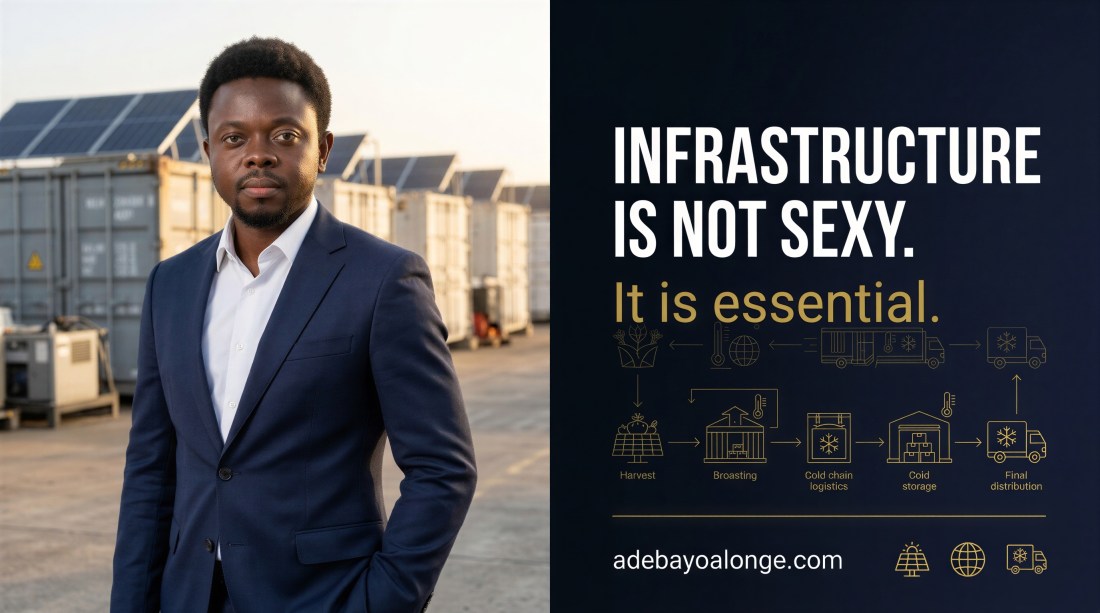
The Cold Chain Gap — Why $35B in Vaccines and Food Spoil Every Year and How Solar Fixes It


Cold chain failures cost the world $35 billion annually, wasting up to 50% of vaccines and contributing to significant food loss. This issue arises not from a lack of technology, but from misdirected investments favoring developed markets. Solutions include decentralized solar-powered units and integrated models serving both health and agriculture, emphasizing necessity over luxury in healthcare infrastructure.

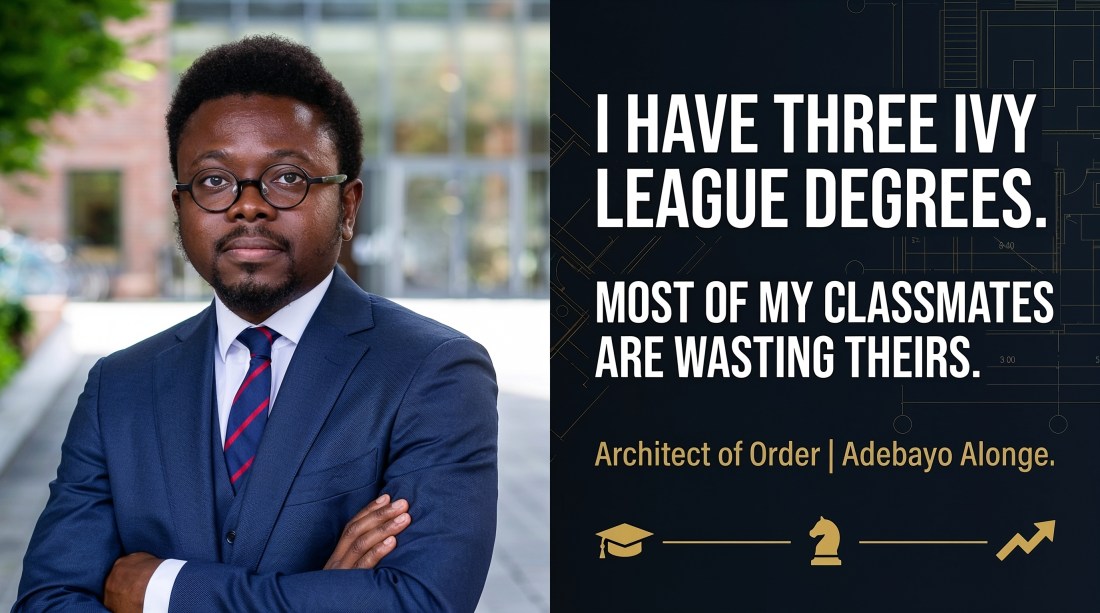
Three Degrees, One Lesson — Why Credentials Are Tools, Not Destinations


The author, a graduate of prestigious Ivy League institutions, argues that elite credentials should be viewed as keys to opportunities rather than endpoints. He criticizes modern graduates for failing to leverage their education by settling for comfort and safety instead of pursuing meaningful work and challenging norms. Emphasis is placed on remaining active and engaged in impactful endeavors.

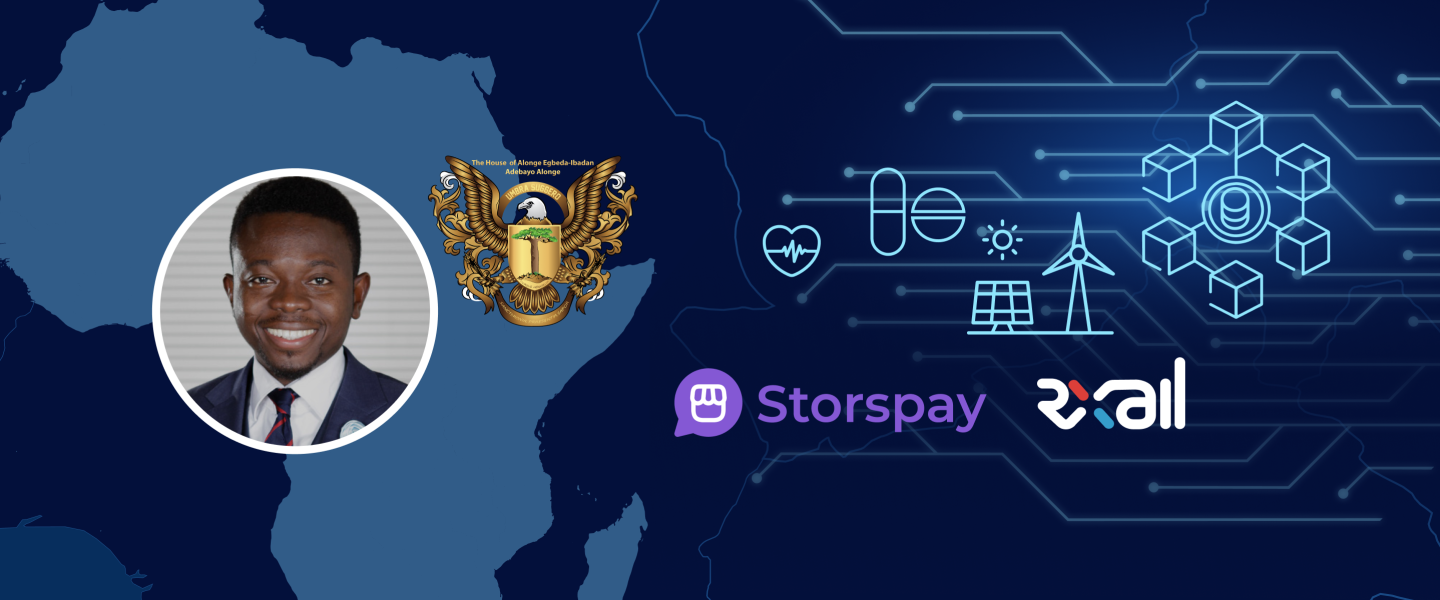
RxAll Group — Why I Build in Parallel, Not in Sequence


The author challenges the notion that speed and distance are opposites, advocating for a unified approach to tackling systemic issues like counterfeit drugs, financial exclusion, and energy poverty. By sharing resources across ventures, the author demonstrates how diverse projects can coexist under a single trust architecture, leading to significant impact and financial success.

From Single Product to Pharmacy Workflow AI Automation Infrastructure — How Listening to 100 Users Changed Everything


In 2016, Adebayo Alonge founded RxAll, initially developing an AI-powered spectrometer to combat counterfeit medications. Despite early struggles, a pivot during COVID-19 turned RxAll into a comprehensive pharmacy workflow platform, enhancing success and profitability. By addressing pharmacies' operational needs, adoption surged from 5% to 92%, solidifying their market presence.

Not All Money Is Good Money — Why I Walked Away from $10M in 2025


I walked away from ten million dollars because the cost of staying was higher than the cost of leaving. Capital that compromises your governance is not investment. It is a hostile takeover disguised as a handshake. Not all money is good money. Some money costs far more than it pays.

Trust Is Infrastructure — Why the Most Important System You Can Build Is Credibility


Trust is a system that can be structured for effectiveness, yet institutions are struggling with public skepticism. Compliance-driven approaches fail to address underlying trust issues. Successful solutions redesign systems for transparency and verification, improving adoption and building credibility. The future favors those who establish robust trust architectures over mere reputational marketing.

The AI Governance Gap — Why Algorithms Need Conscience, Not Just Compliance


The EU AI Act, enforcing significant penalties for noncompliance, seeks to regulate high-risk AI systems, emphasizing moral governance alongside technical compliance. While necessary, this framework lacks moral architecture, risking harm despite adherence to rules. Builders must prioritize community needs to ensure AI systems serve and do not exclude vulnerable populations.