Bishop Wilfred Tsukba-Nagbode delivers a chilling message: Christians in Nigeria are under siege. Villages are burned, priests killed, and lands stolen. The government remains silent. This is not just persecution—it’s extermination. If Nigeria collapses, West Africa follows. The world must act now—before silence becomes complicity, and complicity becomes catastrophe.
Category: Public Policy
Original thought leadership on important public policy issues on a Global, Regional and Local basis
“Who Will Protect the Common Man?” – A Senate Wake-Up Call to Nigeria’s Leadership
“When government forgets its duty, the people bleed.” In a fiery Senate speech, Nigerian lawmaker Dino Melaye demands justice for citizens abandoned to bandits and terror. He calls out leaders hiding behind convoys while farmers, traders, and youth suffer. A warning rings clear: protect the people—or lose their trust forever.
Nigeria’s Crisis: Protect the Vulnerable Now!
The writer expresses deep concern for the Nigerian elite's impact on the populace, reflecting on their complicity and silence regarding local suffering. They invoke religious sentiment, pleading for courage and accountability, recognizing the historical privileges of their ancestry, and emphasizing the necessity of confronting evil rather than remaining passive.
Beyond the Noise: Protecting Nigeria’s Christian Minorities—and Every Civilian at Risk
Headlines distract. Lives are at risk. I share a survivor’s view from Northern Nigeria. Christian minorities face targeted attacks; many Muslims suffer too. Let’s track each attack, protect hotspots, cut ransom money, and care for survivors. Turn attention into action within 90 days.
AI Could Run Africa Better Than Politicians
The author reflects on Nigeria's past, highlighting the decline in living standards due to reduced government oversight after 1999. Suggesting a revival through AI in governance, they propose essential services remain public, create government-owned companies, improve transparency, and empower youth leadership. The aim is to rebuild the middle class and enhance accountability.
Africa’s Role at the UN: Why We Need a Seat
Adebayo Alonge, speaking at the UN General Assembly, emphasizes Africa's need for representation in global decision-making, particularly on the Security Council. He underscores the importance of empowering African citizens through education and healthcare while calling on the diaspora to invest sustainably. This will enable Africans to shape their own future and narrative.
Public Goods and Economic Growth: Lessons from Nigeria
The author reflects on the adverse impacts of U.S. sanctions and aid on Nigeria, highlighting how foreign intervention disrupts local markets and perpetuates dependency on "free" offerings. Emphasizing the importance of a robust public sector for societal welfare, they call for accountability in U.S. policies that affect global economies, advocating for sustainable growth.
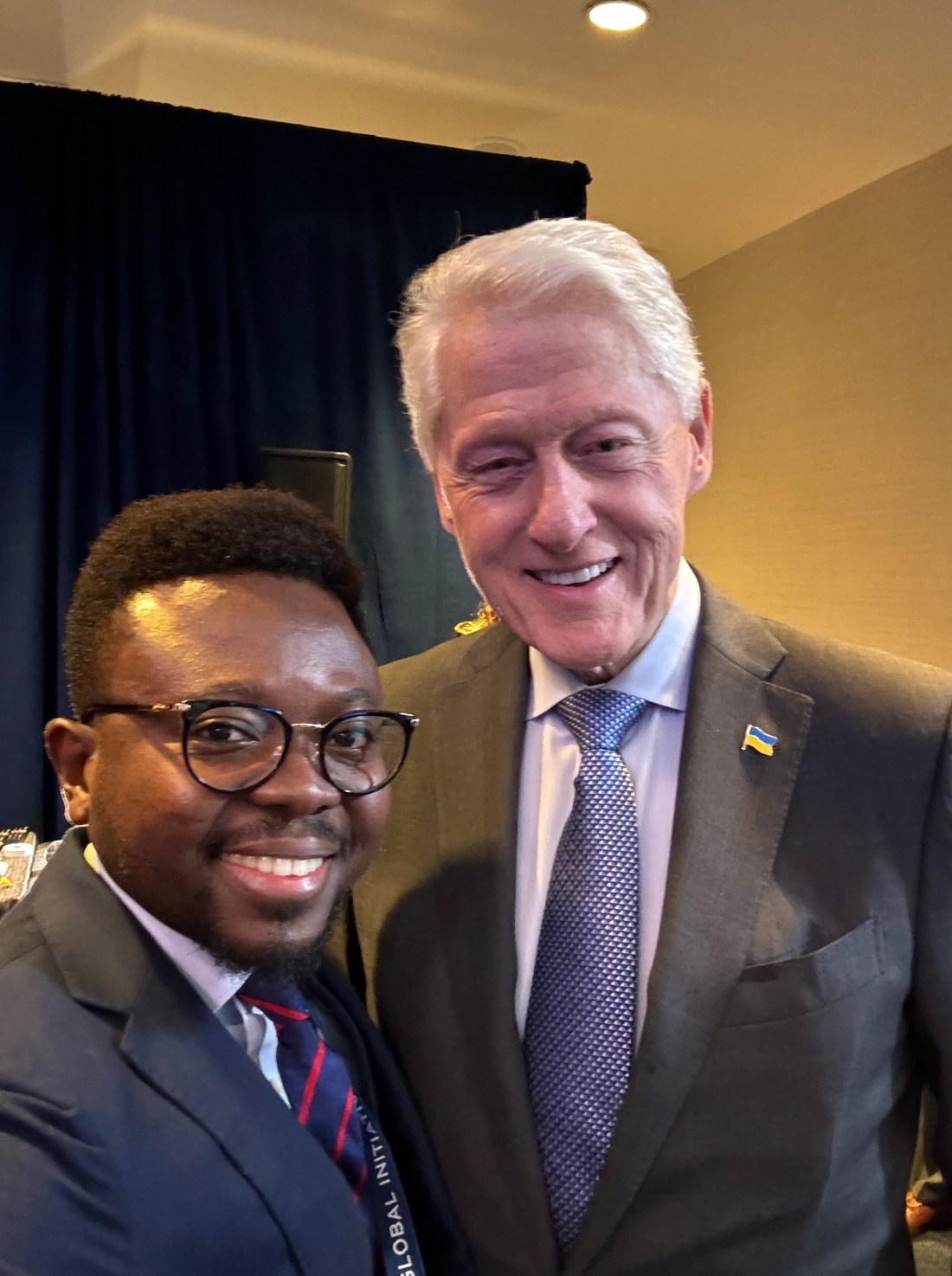
Adebayo Alonge speaks at the Clinton Global Initiative in New York
Adebayo Alonge speaks at the 2024 Clinton Global Initiative in New York
Canada’s Economic Challenge: Why Innovation and Diversification Are Key
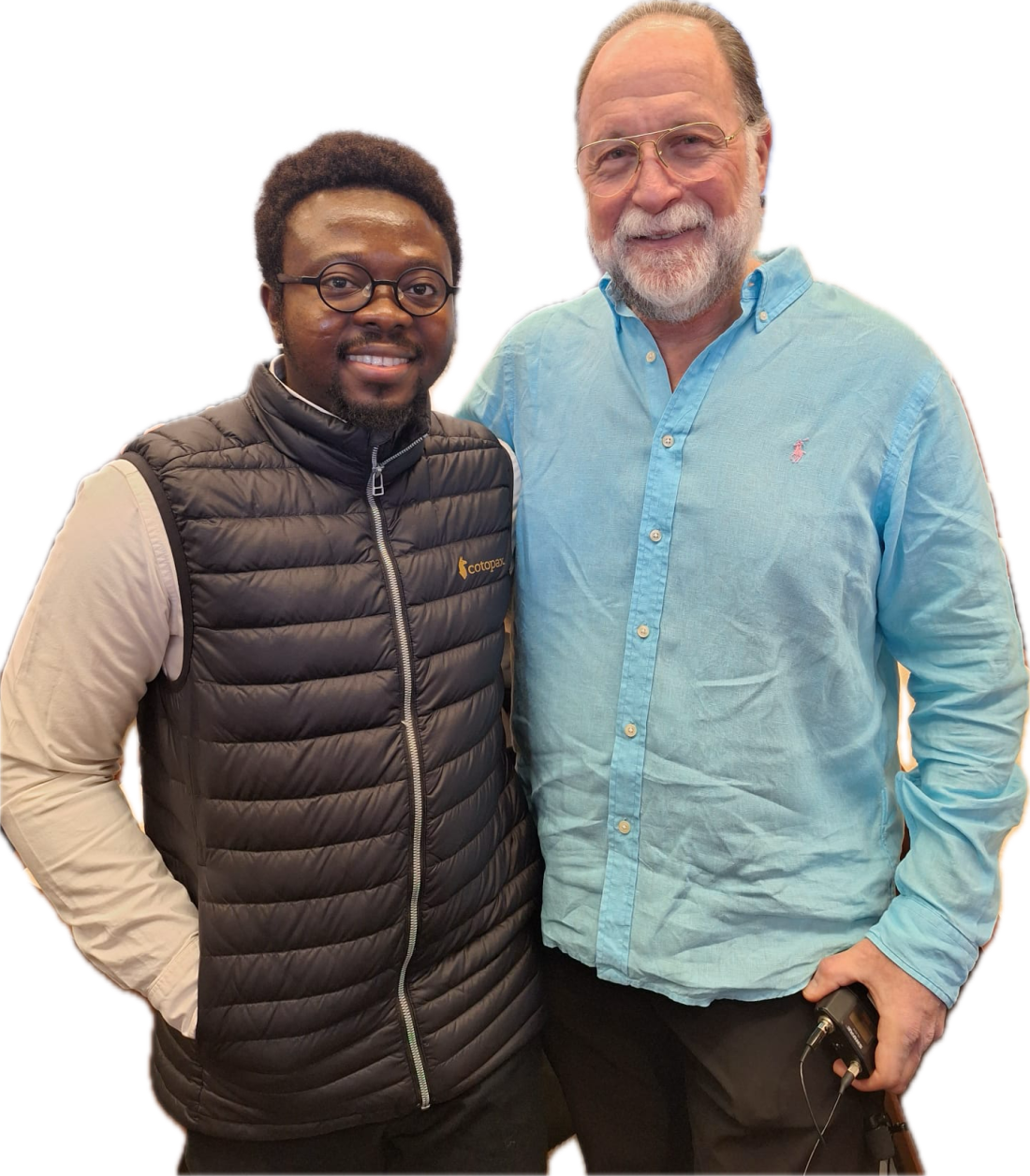
Adebayo Alonge with Prof. Ricardo Hausmann at Harvard circa 2023 AD Canadians often find themselves criticizing leaders like Justin Trudeau, but as Prof. Hausmann shared with me at Harvard, focusing solely on political figures or complaints won't solve the deeper issues.Hausmann told me: “There are preachers aiming to save the world by making people holy, … Continue reading Canada’s Economic Challenge: Why Innovation and Diversification Are Key
Africans should take responsibility for their future
I had the privilege of participating in Prime Minister Patrick Achi (Côte d’Ivoire's) seminar at Harvard titled “Unlocking Africa’s Potential through Development.” This seminar profoundly challenged my previously held beliefs regarding the causes of Africa's underdevelopment. Until now, I had firmly believed that colonialism, neocolonialism, tribalism, cultural backwardness, the local inability to add value to … Continue reading Africans should take responsibility for their future