The author argues that true power requires both moral clarity and enforcement to protect vulnerable populations. Reflecting on personal experiences and historical lessons, they emphasize the chaos that arises in the absence of a strong hegemony while advocating for an American-led world order as a means of survival and stability.
Category: Solutions To Global Challenges
From Aid to Algorithms: A New Canada–Africa Trade Pact in the Age of AI
This essay presents a position paper on Canada's Africa Strategy, advocating for a partnership focused on digital infrastructure, AI, and inclusive trade. It highlights Africa's importance in global prosperity and calls for empowering the diaspora, adapting trade policies for modern industries, and fostering equitable cooperation to ensure mutual growth and development.
From Pan-Africanism to Personal Responsibility
The author reflects on their journey from a proud Pan-Africanist to a more nuanced understanding of Africa's economic challenges. They emphasize historical context, highlighting that Africa's struggles predate colonialism and are compounded by issues like war and trust breakdowns. True progress requires responsibility, hard work, and moving beyond victimhood to embrace data-driven solutions and invest in Africa's future, particularly through AI innovation.
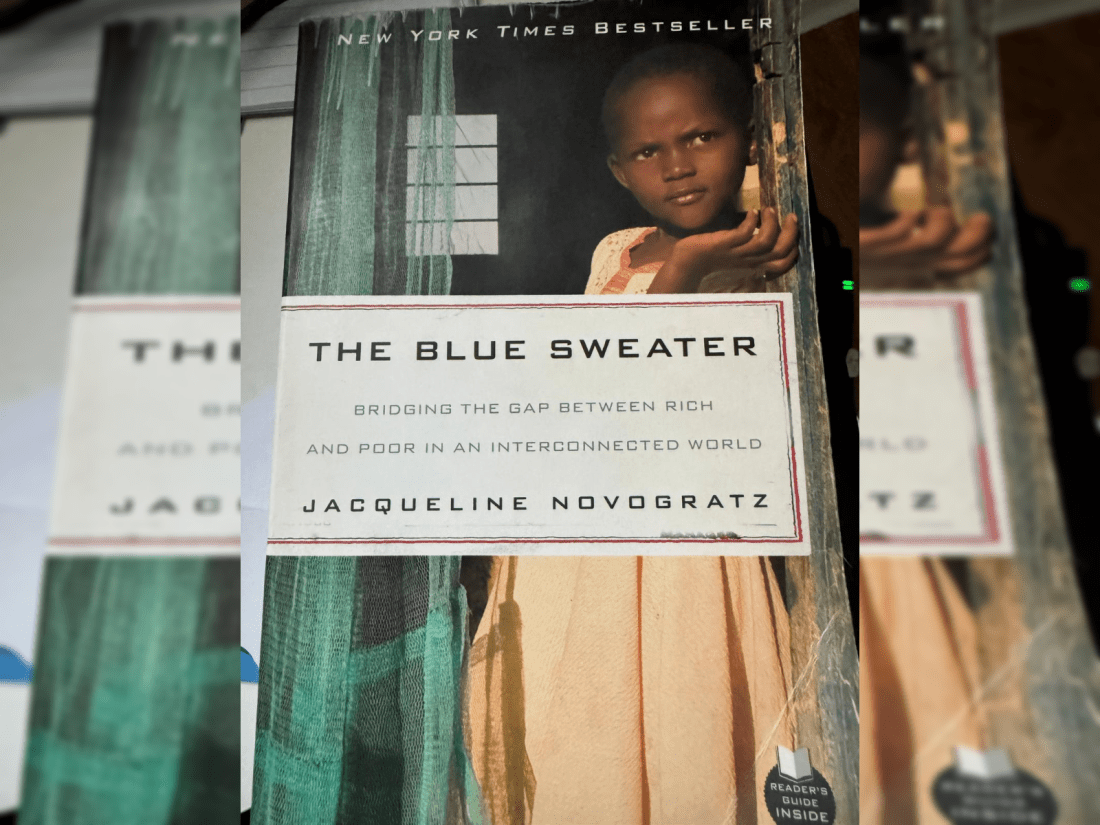
The Blue Sweater’s Blind Spots: What Development Work Gets Wrong About Poverty
The reflection on Jacqueline Novogratz's The Blue Sweater critiques the development industry's approach to poverty, highlighting its failure to acknowledge cultural exploitation and privilege dynamics. While it values moral imagination and distributed leadership, it emphasizes that true poverty requires more than market solutions; it needs cultural change alongside economic intervention for effective alleviation.
The Normalization of Christian Bloodshed in Nigeria: A Crisis of Leadership and Conscience
This past week, I discovered data revealing the horrifying scale of Christian persecution in Nigeria—35 killed daily. How did our leaders allow this normalization of mass murder? While Christians face systematic elimination, too many leaders pursue wealth and comfort. Christian youth, especially from Middle Belt and Core North: this is our fight.
Trump is Right: There is Genocide of Christians in Northern Nigeria
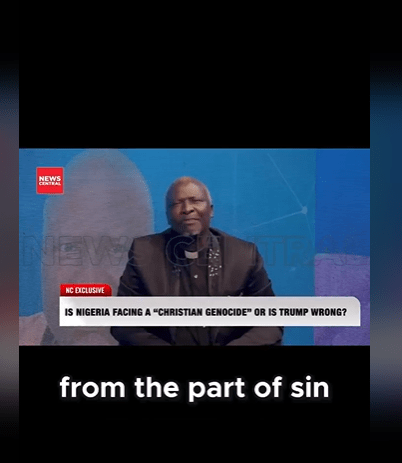
Trump is right: There is genocide of Christians in Northern Nigeria. 8.8 million Northern Christians—80% of their population—are displaced from ancestral lands. Villages have been erased, renamed, and resettled by radical Islamists for over 20 years. We demand justice at the ICJ and the return of stolen lands.
“Nigeria Is Dying, and the World Is Silent” – A Bishop’s Cry From Benue
Bishop Wilfred Tsukba-Nagbode delivers a chilling message: Christians in Nigeria are under siege. Villages are burned, priests killed, and lands stolen. The government remains silent. This is not just persecution—it’s extermination. If Nigeria collapses, West Africa follows. The world must act now—before silence becomes complicity, and complicity becomes catastrophe.
Nigeria’s Crisis: Protect the Vulnerable Now!
The writer expresses deep concern for the Nigerian elite's impact on the populace, reflecting on their complicity and silence regarding local suffering. They invoke religious sentiment, pleading for courage and accountability, recognizing the historical privileges of their ancestry, and emphasizing the necessity of confronting evil rather than remaining passive.
Beyond the Noise: Protecting Nigeria’s Christian Minorities—and Every Civilian at Risk
Headlines distract. Lives are at risk. I share a survivor’s view from Northern Nigeria. Christian minorities face targeted attacks; many Muslims suffer too. Let’s track each attack, protect hotspots, cut ransom money, and care for survivors. Turn attention into action within 90 days.
Public Goods and Economic Growth: Lessons from Nigeria
The author reflects on the adverse impacts of U.S. sanctions and aid on Nigeria, highlighting how foreign intervention disrupts local markets and perpetuates dependency on "free" offerings. Emphasizing the importance of a robust public sector for societal welfare, they call for accountability in U.S. policies that affect global economies, advocating for sustainable growth.