The Convergence — How AI and Clean Energy Are Building the Same Future


Bitcoin mining companies are shifting focus to artificial intelligence, anticipating a surge in revenue from AI workloads. With over $70 billion in AI contracts emerging, the need for energy is critical. This convergence of AI and clean energy presents opportunities across sectors, driving both innovation and sustainability in infrastructure.

The Cold Chain Gap — Why $35B in Vaccines and Food Spoil Every Year and How Solar Fixes It


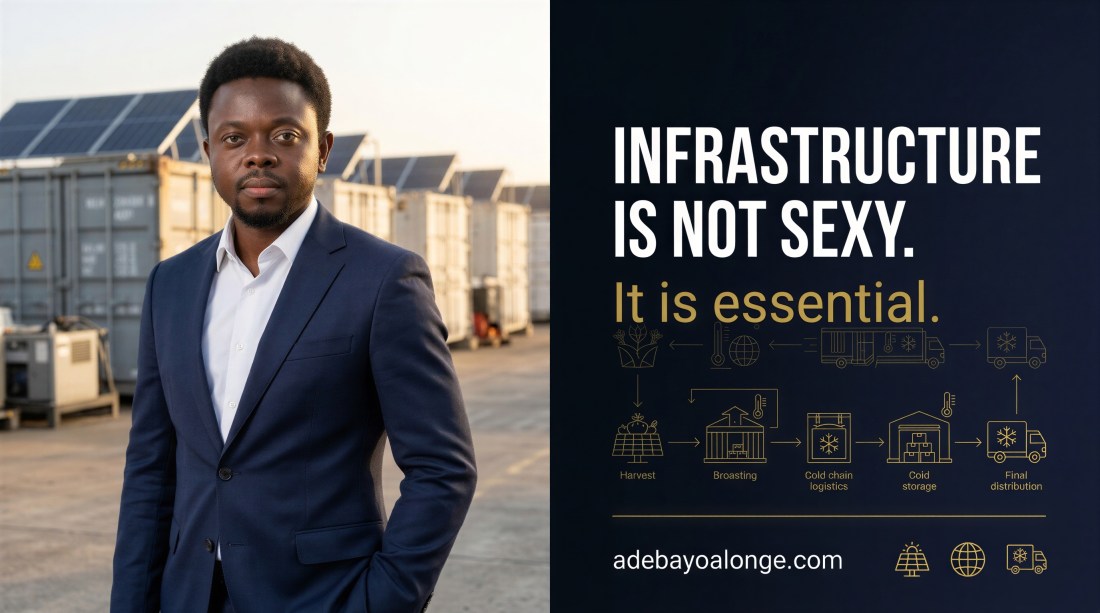
Cold chain failures cost the world $35 billion annually, wasting up to 50% of vaccines and contributing to significant food loss. This issue arises not from a lack of technology, but from misdirected investments favoring developed markets. Solutions include decentralized solar-powered units and integrated models serving both health and agriculture, emphasizing necessity over luxury in healthcare infrastructure.

Three Degrees, One Lesson — Why Credentials Are Tools, Not Destinations


The author, a graduate of prestigious Ivy League institutions, argues that elite credentials should be viewed as keys to opportunities rather than endpoints. He criticizes modern graduates for failing to leverage their education by settling for comfort and safety instead of pursuing meaningful work and challenging norms. Emphasis is placed on remaining active and engaged in impactful endeavors.

Trust Is Infrastructure — Why the Most Important System You Can Build Is Credibility


Trust is a system that can be structured for effectiveness, yet institutions are struggling with public skepticism. Compliance-driven approaches fail to address underlying trust issues. Successful solutions redesign systems for transparency and verification, improving adoption and building credibility. The future favors those who establish robust trust architectures over mere reputational marketing.

The AI Governance Gap — Why Algorithms Need Conscience, Not Just Compliance


The EU AI Act, enforcing significant penalties for noncompliance, seeks to regulate high-risk AI systems, emphasizing moral governance alongside technical compliance. While necessary, this framework lacks moral architecture, risking harm despite adherence to rules. Builders must prioritize community needs to ensure AI systems serve and do not exclude vulnerable populations.

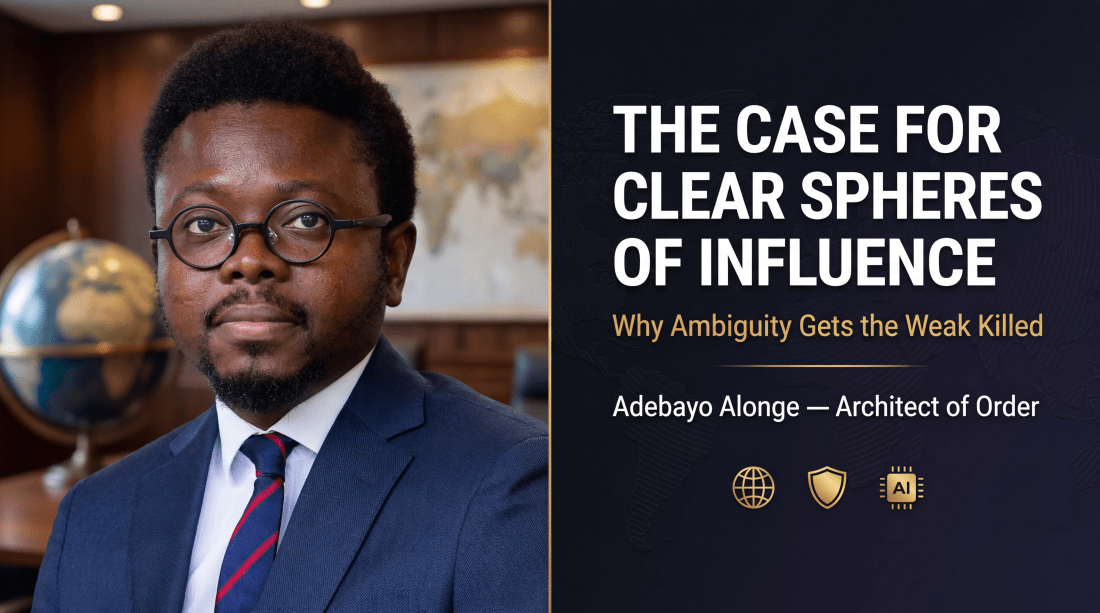
The Case for Clear Spheres of Influence — Why Ambiguity Gets the Weak Killed


Adebayo Alonge argues that hegemony is essential for global stability and the protection of the weak. Misunderstanding hegemony as merely oppressive ignores its capacity to maintain order and prevent chaos. He calls for a power that exercises authority morally and institutionally to support development in unstable regions, emphasizing that absence of hegemony leads to greater suffering.

The Rules-Based Order Is a Noble Fiction


The author argues that true power requires both moral clarity and enforcement to protect vulnerable populations. Reflecting on personal experiences and historical lessons, they emphasize the chaos that arises in the absence of a strong hegemony while advocating for an American-led world order as a means of survival and stability.

From Aid to Algorithms: A New Canada–Africa Trade Pact in the Age of AI


This essay presents a position paper on Canada's Africa Strategy, advocating for a partnership focused on digital infrastructure, AI, and inclusive trade. It highlights Africa's importance in global prosperity and calls for empowering the diaspora, adapting trade policies for modern industries, and fostering equitable cooperation to ensure mutual growth and development.

From Pan-Africanism to Personal Responsibility


The author reflects on their journey from a proud Pan-Africanist to a more nuanced understanding of Africa's economic challenges. They emphasize historical context, highlighting that Africa's struggles predate colonialism and are compounded by issues like war and trust breakdowns. True progress requires responsibility, hard work, and moving beyond victimhood to embrace data-driven solutions and invest in Africa's future, particularly through AI innovation.