Trust Is Infrastructure — Why the Most Important System You Can Build Is Credibility
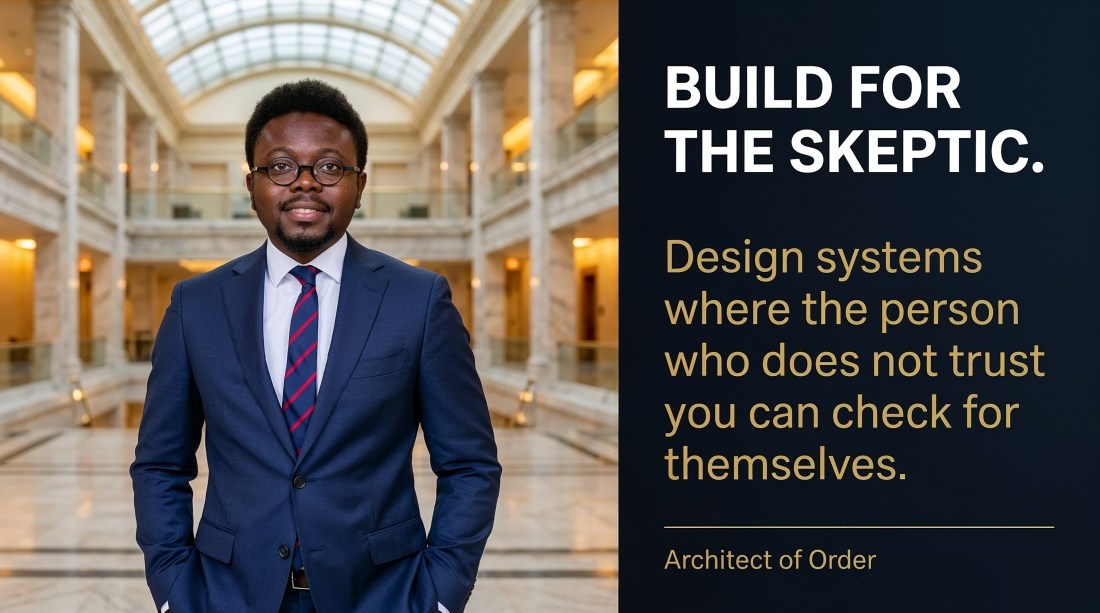

Trust is a system that can be structured for effectiveness, yet institutions are struggling with public skepticism. Compliance-driven approaches fail to address underlying trust issues. Successful solutions redesign systems for transparency and verification, improving adoption and building credibility. The future favors those who establish robust trust architectures over mere reputational marketing.

The AI Governance Gap — Why Algorithms Need Conscience, Not Just Compliance


The EU AI Act, enforcing significant penalties for noncompliance, seeks to regulate high-risk AI systems, emphasizing moral governance alongside technical compliance. While necessary, this framework lacks moral architecture, risking harm despite adherence to rules. Builders must prioritize community needs to ensure AI systems serve and do not exclude vulnerable populations.

Gemini 3 Launch: How African Startups Can Leapfrog Today


Google's Gemini 3 revolutionizes AI deployment, particularly benefiting African founders by offering advanced reasoning and multimodal capabilities. With swift global access and practical applications, it enables rapid prototyping, automated workflows, and enhanced customer support. While infrastructure challenges remain, the model significantly helps bridge gaps, creating opportunities for startups to innovate and compete effectively.

AI Could Run Africa Better Than Politicians


The author reflects on Nigeria's past, highlighting the decline in living standards due to reduced government oversight after 1999. Suggesting a revival through AI in governance, they propose essential services remain public, create government-owned companies, improve transparency, and empower youth leadership. The aim is to rebuild the middle class and enhance accountability.

Transforming Finance in Africa with DeFAI and AI Automation


DeFAI integrates decentralized finance and AI to automate Africa's finance back-office, enhancing efficiency and transparency. By transitioning from manual processes to programmable, auditable systems, it fosters trust and accelerates commerce. The model focuses on real-time solutions for payments and lending, ultimately empowering businesses and improving financial access across the continent.