The African continent, given its young demography, large diaspora, propensity for cross-border trade and volatile local currencies, is well positioned to exercise soft power to drive innovation, as well as benefit from Web3 technology.
In this article, Sam Ade Alonge (Founder/CEO of Storspay) shares his insights from the State of Web3 report published by Emurgo Africa, in collaboration with PwC.
———————————————————————————————————-
Cardano’s co-founding entity, Emurgo Africa, together with global business consultancy PWC, recently released a report on the State of Web3 in Africa: Kenya, Nigeria and South Africa. (Download here – https://lnkd.in/e2TZ3pk2)
The comprehensive 81-page report shows that Africa, given its young demography, high proportion of unbanked people, large diaspora, propensity for cross-border trade and volatile local currencies, is well positioned to exercise soft power to both drive innovation in as well as benefit from Web3 technology.
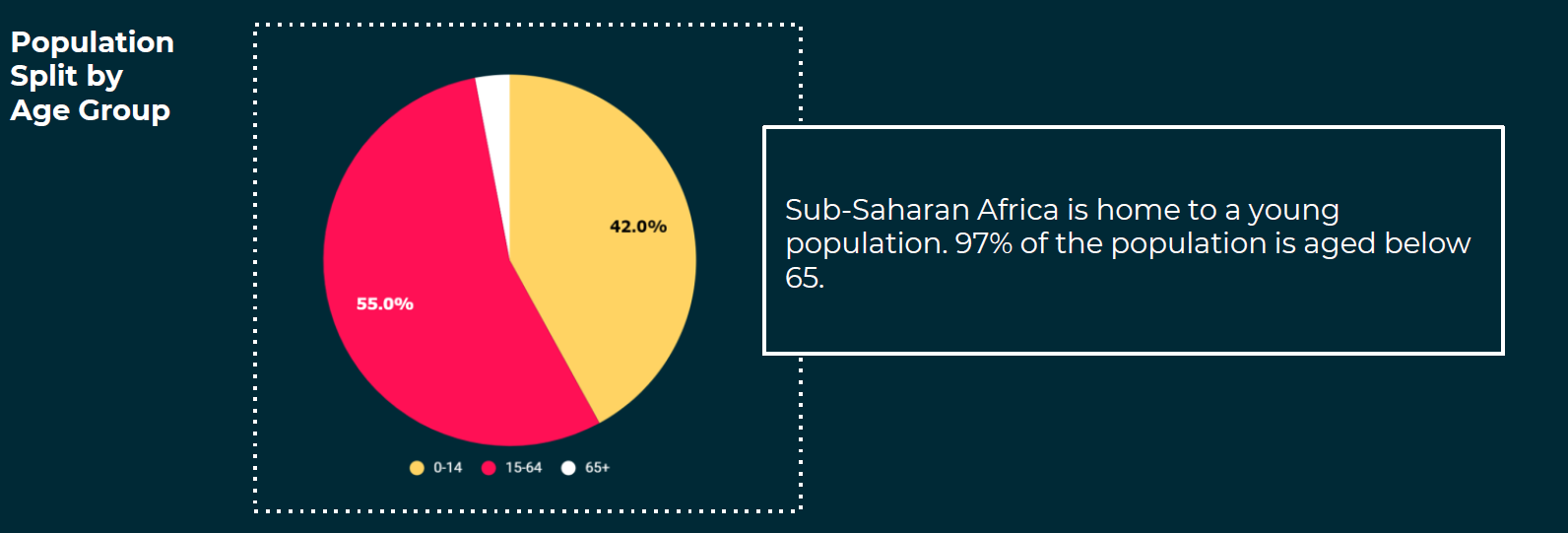
Figure 1: Africa’s Population split by Age Group
Source: Emurgo Africa 2023 -State of Web3.0 in Africa: Kenya, Nigeria and South Africa
Some key takeaways from the report are
- There is high crypto adoption in the 3 highlighted countries, all of which are in the top 10 countries globally with the highest crypto adoption as a percentage of their population. Kenya ranks 5th globally (with 8.5% of its population using crypto), South Africa ranks 7th globally (with 7.1% of population using crypto) and Nigeria ranks in at number 10 (with 6.3% of its populations using crypto).

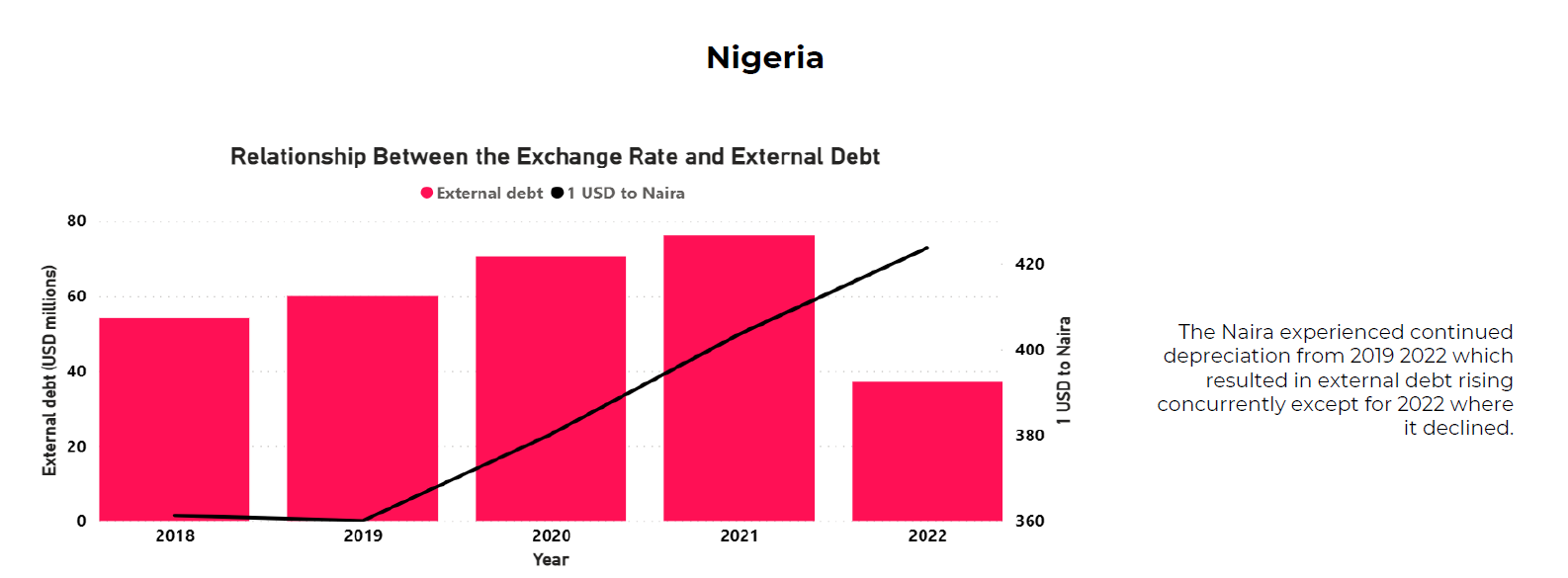
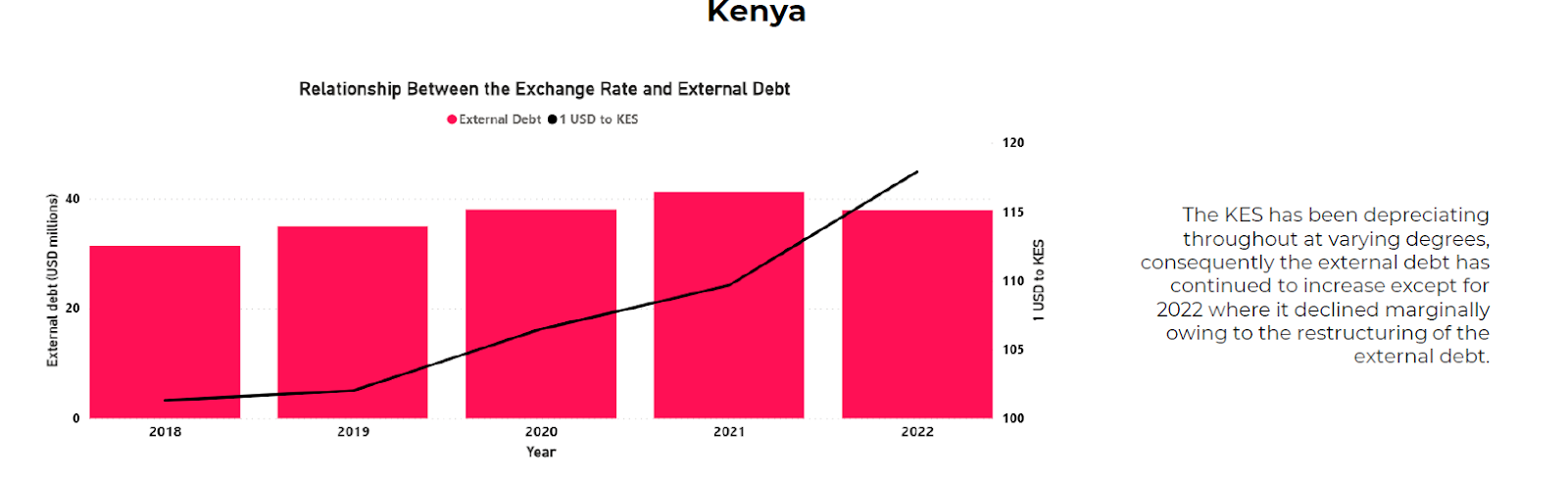
Figure 2: Relationship between the Exchange Rate and External Debt in Focus Countries – South Africa, Nigeria, Kenya
Source: Emurgo Africa 2023 -State of Web3.0 in Africa: Kenya, Nigeria and South Africa
- The 3 focus African countries have high adoption of crypto among their population due to their need for a stable means to store their wealth, as a result of consistent devaluation of their local currencies. As shown in charts above in Figure 2 – all three focus countries have seen consistent devaluation in their fiat currency over the last 5 years. They also have a large population of unemployed youth who use Web3 to earn passive income from play-to-earn games and speculative trading. Furthermore, people in diaspora use crypto for faster and cheaper remittances in order to support their families back home. Finally, a large underbanked population leverage decentralized wallets for cross-border and peer to peer payments.
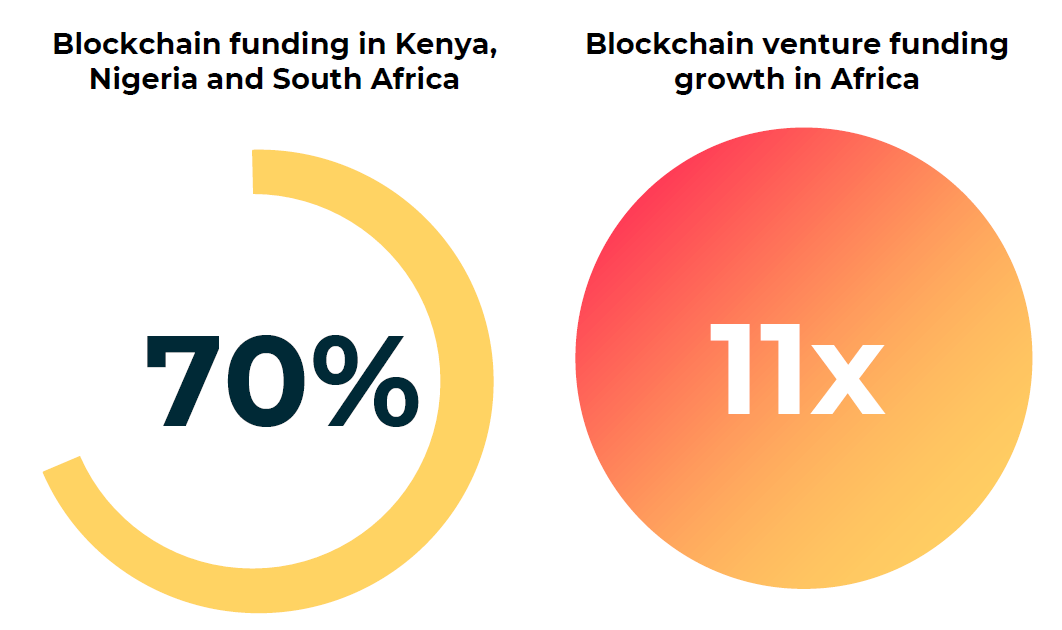
Figure 3: Blockchain Funding in Africa
Source: Emurgo Africa 2023 -State of Web3.0 in Africa: Kenya, Nigeria and South Africa
- The fast pace of crypto adoption in these 3 focus African countries has led to their Web3 companies receiving 70% of all blockchain funding in Africa. Additionally, blockchain funding has grown 11x faster compared to the rest of funding growth in Africa for the period between Q1, 2021 and Q1, 2022.
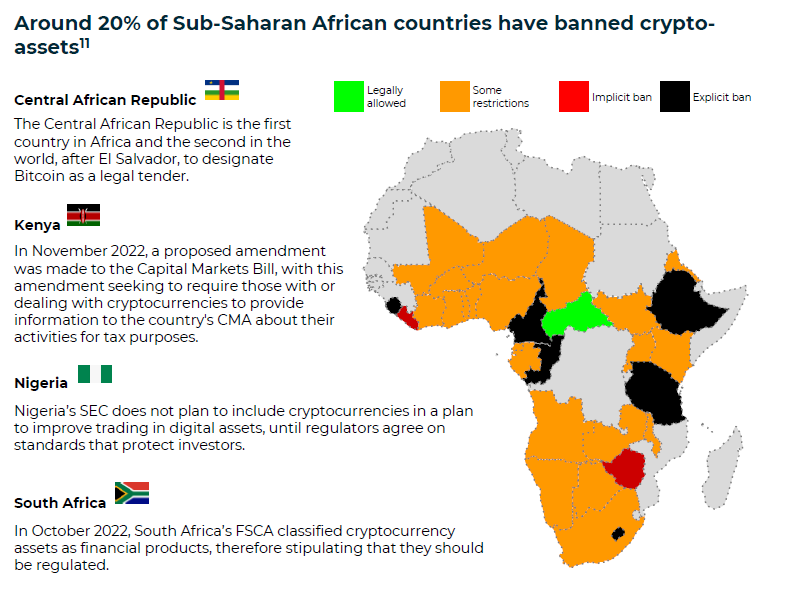
Figure 4: Majority of regulators across Africa have some restrictions on crypto-assets
Source: Emurgo Africa 2023 -State of Web3.0 in Africa: Kenya, Nigeria and South Africa
- The speed with which people in these markets have taken up crypto is a challenge to local financial system regulators, as they have expressed fear that they may lose control of monetary policy, and that crypto poses risks to the traditional financial systems. Further, widespread scams and money laundering affects everyday people leading to regulators stepping in. Regulators are open to working with Web3 companies but are doing so cautiously. It is important for Web3 innovators to proactively engage regulators so they are in tune to avoid sudden regulatory changes that cripple their operations.
- Web3 is being used to solve problems across Africa. Innovative Web3 companies are using it to expand access to financing for SMEs without needing strenuous formal documentation. They are using it to improve traceability in supply chains; helping to improve efficiency in logistics. It is being used for verification of education credentials so as to improve trust in educational certificates.
Additionally, it is being used to increase transparency of title deeds as well as for fractional tokenized investing in real estate, and to verify carbon credits. Some highlighted companies and initiatives building applications in these areas include Melanin Kapital, Nafeza, Cardano/Ethiopian Government, HouseAfrica, Sinan Energy.

Figure 5: Key landmarks in Nairobi, Kenya, Lagos, Nigeria and Cape Town, South Africa
Source: Emurgo Africa 2023 -State of Web3.0 in Africa: Kenya, Nigeria and South Africa
The report emphasizes that the value of Web3 in Africa is in its use to enable traditional systems with new, efficient and sustainable methods; to create more equitable, fair and progressive societies where there is better access to education, finance and healthcare.
In order to achieve these social impact outcomes, Web3 innovators in Africa must pay attention to ensure their projects create equitable wealth and power structures, avoid exploitative business models and prevent abuse in the communities they build.
Web3 shows huge potential in Africa, offering the continent a means to exercise soft power globally. Given its large diaspora, breakout cultural leadership in music & fashion, ethnic diversity and extensive cross border networks, it is leading in building Web3 applications that solve real world problems.
The North American Web3 community would do well to take note of Africa’s Web3 leadership and explore cross platform partnerships, marketing and investment so as to nourish transcontinental exchange of best practices for the good of the world.
Download full report here – https://www.emurgo.africa/emurgo-africa-report-2023
Written by Sam Alonge
Sam ‘Ade” Alonge is the Founder/CEO of Storspay – a defi platform automating retail lending to small businesses globally.
Discover more from Adebayo Alonge
Subscribe to get the latest posts sent to your email.

